Showing posts with label compassion. Show all posts

Wednesday, January 12, 2022

Invisible

There are those of us who hide invisible illness, chronic conditions, pain and fatigue as much as we can. No matter how we hide sometimes it is unavoidable and it’s frustrating when the invisibility turns you into what others may assume is a hypochondriac or just lazy. While we function at home, in jobs, with our families or running errands around town, and we don’t look for excuses…


But sometimes the pain or fatigue gets to us and we need a little time to recoup, to rest, to let an analgesic help a bit, or to simply catch our breath and those are the times when someone, usually well meaning, comes along and suggests that perhaps we should get to bed earlier, or keep moving to stretch the muscles, or not need so many bathroom breaks, and many more bits of advice. The truth is that no one else, unless they’ve been there, understands what we go through and sometimes it actually hurts when they tease and call us lazy or slow. These same people do mean well but unless they see a cane, a wheelchair, a placard in our car window or other aids to help a person function, they just don’t understand.


None of us wants to wear a banner across our chests or announce to perfect strangers what our invisible condition may be. Our invisible conditions aren’t contagious (if they are we know how to protect the people around us), they don’t make us any less of a functioning and contributing adult; some children also suffer from invisible conditions. These syndromes can make us weak, cause pain, make us dizzy, short of breath, hungry, thirsty, and make us so tired we can’t keep our eyes open. Most times we manage our symptoms and if we are lucky some of us can even forget for a brief period that we have a “condition” — maybe that’s why it’s so easy for others not to realize that sometimes the symptoms do get the best of us.


The following is not a complete list but includes some of the types of conditions that are not always obvious to others: depression, anxiety, Ehlers Danlos Syndrome, Epstein Barr, Chronic Fatigue, Fibromyalgia, Celiac Disease, diabetes, cardiac abnormalities, migraines, Crohn’s disease, narcolepsy, food allergies, arthritis, hypoglycemia, colitis, IBS, epilepsy, Lyme Disease, Lupus, asthma, Meniere's Disease, phobias, hyper/hypo-active thyroid, and many more. Most laypeople reading this partial list will not be familiar with most, if any, of these conditions. There are even several doctors who are unfamiliar with the presenting symptoms and there is often misdiagnosis. Sometimes the patient is even told that it is all in his/her mind.


While many with chronic conditions have developed coping skills and can manage work and other activities with little interruption, some people do need extra consideration, and some cannot manage to take care of their home without help or hold down jobs. According to the Americans with Disabilities Act of 1990 (ADA) “an individual with a disability is a person who: Has a physical or mental impairment that substantially limits one or more major life activities; has a record of such an impairment; or is regarded as having such an impairment.” There may be provisions to help an individual but many of us know that if we let a potential employer know that there may be days we won’t be up to doing our jobs the chances of being hired go down, so we don’t put our invisible condition on record. …when we call out sick too many days, well you have an idea of what happens.


The next time you see someone waiting for an elevator just to go one floor, or parking in a handicapped spot (WITH a proper placard) but doesn’t “appear” disabled, or someone asks for help to carry something (and you can help), or even just walks slowly, please don’t be so quick to criticize. Realize that maybe that person coming out of the handicapped stall in the bathroom needed the higher seat because of a back problem. And just because you saw your co-worker dancing at the holiday party it doesn’t mean that he/she can do the walking at the company golf-outing, it just may be an off day. While admittedly there will always be someone who cheats and takes advantage, most people do what they are capable of and know when they need a little help. While some people with an invisible illness may feel comfortable in letting you know about it, they are not obligated to prove anything to you.


To your health! 


Wednesday, November 17, 2021

LIFE HAPPENS


As we go through life there are many "ups-and-downs". As for the "downs", most times the effect is momentary, and we just get on with life. Some of the "downs" do stay with us such as the loss of a loved one, but many find HEALTHY coping mechanisms and get back to living their lives — never forgetting but managing to move forward. And then there are those who find that they need help… it is not wrong to need help, it doesn't make anyone "less" or "damaged", it is just sometimes we need something more than what we can muster from within (kind of like needing medicine to get over an ailment).


We can find HEALTHY forms of help all around us. Sometimes we need to speak with a PROFESSIONAL, a counselor or psychiatrist. Sometimes we can speak with a compassionate and well-meaning friend. Sometimes we find the strength we need to move on within a group-support system; as a friend recently said, "who else should I turn to but people who know EXACTLY what I am going through?" So long as you don't balk at the idea that you are, after all, only human and sometimes need help mending after a trauma, it really doesn't matter so long as you don't ignore your pain and let it fester (again, an analogy, letting an infection continue to grow instead of taking medicine will only cause a lot more problems).


We are all different and each one of us, AND ONLY THAT ONE OF US, needs to decide when and how to reach out for help. A method which may work for someone else is not necessarily the right method for all. If you have reached out, whether it is a wise-friend, a PRIVATE support group on social media, an in-person group led by a counselor, or a one-on-one with a Social Worker or Psychiatrist, then it is up to you, AND ONLY YOU, to decide if this is the help you need. If you can feel the healing and strength, then you have probably made the best decision for you. If you aren't feeling some form of relief and mending, then it may be time to move to another step. There is NO weakness in needing AND ACCEPTING help. And again, WHAT WORKS FOR ONE PERSON IS NOT AUTOMATICALLY WHAT EVERYONE ELSE (including you) NEEDS.


If you find yourself struggling, there are resources (here are just a FEW):

Online Therapy Services  https://bit.ly/3qGXyT8
Alcoholics Anonymous ~ find help  https://aa.org/
National Suicide Prevention Lifeline  1-800-273-8255
Suicide prevention/Veterans with PTSD  1-800-273-TALK [in the U.S.]
Support for Caregivers  https://bit.ly/3Dw4c24
Grieving the Loss of a Child  https://bit.ly/3ck3DfM

(no endorsements are implied) 


Wednesday, August 11, 2021

CONNECTIONS

Our always-on-social-media, while there are downsides, has the ability to reach out and communicate at a needed time. Sometimes it may not mean much for someone to have a virtual stranger wish her a Happy Birthday, but then maybe it just might be the lift she needs to get through today.

Scroll through platforms like Facebook and people share heartaches and disappointments, brag about accomplishments, offer condolences, share jokes and any myriad of emotions. Users announce the loss of loved ones, and ask for prayers, or say thanks for being there when you were really needed.

PEOPLE NEED PEOPLE. We all need interaction with others. We need to vent, to ask for advice, to offer and accept virtual hugs, to complain about the weather, and so much more. Especially after this past year when so many were in near complete isolation, social media and visual apps were the things that helped to keep folks in touch with others.

It may not seem like much when social media acquaintances post a GIF or Meme to help cheer you up, but it does have the ability to make you feel as if someone cared. Many of those who post condolences, encouragement, congratulations or support may only be expending a few moments and a few keystrokes — but they are spending those few moments ON YOU. Someone took the time, their precious time, to let you know that someone is out there.

Next month is National Suicide Prevention Month. There are several reasons why some attempt, or unfortunately succeed, at committing suicide. Among the reasons for suicide, loneliness is one of the major factors. Whether you pay a visit, make a phone call, or simply make it a point to remember someone on social media, you could make a crucial difference in their feelings of loneliness and of being forgotten.

You may be that person’s reason for getting through today and hopefully tomorrow.

If you ever feel the need, or know someone else
who is contemplating suicide,

Call the National Suicide Prevention Lifeline

1-800-273-8255

OR

Text GO to 741741 to reach a trained Crisis Counselor through Crisis Text Line, a global not-for-profit organization. Free, 24/7, confidential.


Wednesday, August 19, 2020

Empathy... better with it or without it

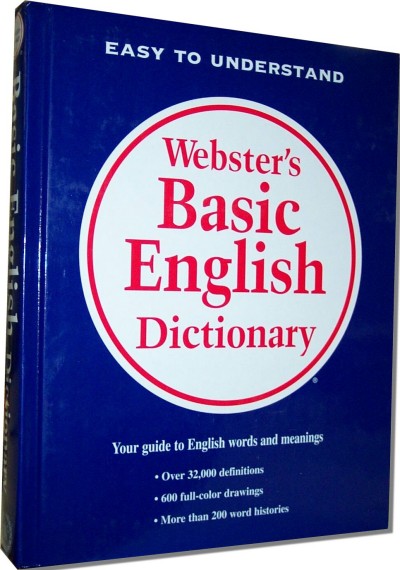
 Definition of empathy (from the Merriam-Webster Dictionary)

the action of understanding, being aware of,
being sensitive to, and vicariously experiencing
the feelings, thoughts, and experience
of another of either the past or present 
When you have empathy you can relate to the pain and sorrow that another person may be experiencing — if you hear of someone losing a close family member something triggers your own feeling of loss, either real or imagined. You feel FOR the person because you understand what he is going through.When you understand what that individual is going through you might be able to offer solace, comfort and support. BUT... if your level of empathy encompasses you it may drown you in those emotions causing you mental anguish and making you unable to offer comfort to the bereaved.Being compassionate is a healthy form of empathy as you understand what someone is going through and can still maintain a mental distance by staying aware that this is SOMEONE ELSE'S loss. You can offer support and comfort without losing yourself in the sorrow.Being sympathetic, while certainly nice (on the surface) may or may not be disingenuous. You hear bad news and you offer platitudes — but do you really feel for the individual or just know that it's the polite response?Certain relationships do better when people can empathize with one another. Parents who can truly understand what their children are feeling, their angst and insecurities, can offer much needed support and guidance. Health-care workers can help to emotionally support their patients along with the medical help they provide. However if the empathy is too all-encompassing it is easy to lose oneself, be depressed and insecure. Too much empathy can even result in manifested health problems, sleepless nights, and damage to other relationships.

When it comes to feeling loss, grief is a very personal thing and not everyone feels the same things. Religious customs sometimes play a big role in the way a person grieves and accepts their loss; although it is uncommon that a loss is ever truly “accepted”, the pain often lingers and sometimes causes tears even years later. The relationship a person has had with the now deceased may have been complex, even painful, and the survivor now has to juggle their mixed emotions.


There are times that SOME of us cannot understand another person’s reaction to grief, but do we really have a right to expect someone to break down and cry when that loss happens? Maybe the person is in shock and that overwhelming grief has yet to hit. Or maybe the person’s upbringing taught them unwavering steps to follow? Or, sadly, maybe a person’s childhood left him with an inability to show their emotions?


It’s not for any of us to judge how someone else mourns and grieves. All we can do is be compassionate and certainly never take joy in another’s person’s pain. Remember though that you can always be there and care.


Any man's death diminishes me,
because 
I am involved in mankind,
and therefore never send to know
for whom the bells tolls;
it tolls for thee.”
~ John Donne


Wednesday, July 1, 2020

I Say Po-TAY-To, You Say Po-TAH-To


The original title of this week’s blog post was going to be “The Dumbing Down of the English Language” but then after an interesting discussion I was reminded that we each look at things from different perspectives. (The discussion was on Facebook of course, where else during these days of social distancing do you have the chance to discuss topics with such passion?)
There was a recent article about Houston realtors wanting to formally drop the term “Master”, such as in suite, bedroom, bathroom, etc. from their listings and replacing the term with “Principle”. I immediately thought of the bathroom unit attached to the bedroom my husband and I use; when we bought this house the description called it the Master Suite (aka the Master Bedroom and the Master Bath) and these two units take up one entire side of our home. The other side of our house has two more bedrooms (which we use as a den/office and a guest room) and the Main Bathroom. My first inane thought was how confusing it would be to say the Main Bathroom and the Principle Bathroom! Then of course I started thinking of all the places we could replace the word “Master” — Master’s Degree, Master Chef, Masterpiece, and (sorry) Masturbate…
Then I went on the read the article and learned the reasoning behind the change and I truly felt some guilt for making fun of it. It is the belief that America’s descendants of slaves associate the term Master with their history of slavery and having to serve AND BE OWNED by often cruel Masters. While some part of me still sees no need for the exclusion of the word from realtor listings, another part of me feels a little guilty for not immediately understanding and being sensitive. After reading the explanations and the descriptions of slaves who were both brought here against their will and then subjugated, actually bought and sold, and OWNED by MASTERS, I understand now my need to be sensitive to the horrors and possible triggers of this and other terms.
It isn’t that I wasn’t thinking, I just didn’t understand the perspective that descendants of people who were OWNED and subservient had. I will try better to understand the views, associations, and pain that such terms cause. And if indeed the word is struck from general use then it is my goal to accept it fully. In the end it is all about perspective and it sometimes blurs the right and wrong, but once it’s been pointed out we need to be more considerate of each other.


Wednesday, June 17, 2020

High Anxiety


Having extreme fears, or phobias, can be life-stopping. Some phobias may seem foolish to others, but they are not foolish or funny to the person who is suffering.

Hippopotomonstrosesquippedaliophobia is a fear of long words, wow, that’s a really long word to describe that fear — it’s almost scary to even try to pronounce it; by the way it’s “hippo-poto-monstro-sis-cupid-ali-o-phobia”. Why would someone have such a fear? Understanding the possible reason(s) might make others feel a bit more indulgent and could help ease someone’s phobia. No matter how ironic the description is, the fear is real to the person who is suffering.

Phobias can affect a person physically, mentally and emotionally. Symptoms like rapid heartbeats, nausea, sweating, anxiety, feeling terrified, crying, avoidance and embarrassment can suddenly take hold of an individual who is scared and triggered by his fear. No one is born with a phobia, it can be caused by an unpleasant incident, pain or loss. The child who sees their house on fire may easily develop a fear of fire (Pyrophobia). If a person has been injured in a crowd, they might develop Enochlophobia, and avoid possible crowded situations; this may be similar to Agoraphobia which is a fear of being trapped in a dangerous and uncontrollable situation. Agnosiophobia is a fear of not knowing what’s going to happen and can be paralyzing as the victim subconsciously wants to avoid an previous unpleasant occurrence.

The human mind reacts to everything its owner has lived through. The anxiety that fear causes is not something that will respond to logic, lecturing, and definitely not scolding. A phobia is a disorder that affects a person’s ability to cope with certain situations, it is more than just a fear like screaming on a roller coaster. Anxiety caused by a phobia can often feel like impending doom and it is not easily controlled or can be forced to be ignored. People with phobias often know that their fear is irrational, but it is real to them.

If you are with a person experiencing a panic attack from a phobia, let them know they can talk with you about it and don’t be angry if they choose not to. Don’t try to badger them with “common sense” or tell them they have no reason to be so scared, don’t try to bully them into being “normal”. Don’t bring up their phobia just because you want to talk about it, that can actually trigger their anxiety; however it is okay to let them know you are there (in person or by phone) to talk anytime they need to. If that person suddenly gets irritable during a panic attack, be quick to forgive them. Find things to do as friends with the individual who suffers, but don’t try to push them into a triggering event.

Phobias and anxiety can take time to cure or even get control of, don’t expect that they will suddenly get over it. Often the best option for someone paralyzed by their fears is to talk with a professional therapist — be supportive of their efforts. Be aware that someone’s anxiety could have a negative effect on you and if it does a therapist or support group may be able to help you cope with your friend or loved one’s emotions. Anxiety is treatable and someone you care about is certainly worth the time. Be a friend.

.

Wednesday, October 9, 2019

Appreciation


We are on this planet but once, and to spend it holding back our gushing appreciation of the things that light us up is a shameful waste.” ~ Jen Sincero


          Some people find it very easy to say the word “Thanks” whether they truly mean it or not. For many it still is a welcomed word to hear, others may hear a “Thanks, but…” when it isn’t sincere. Perhaps we should be grateful for the speaker’s civility and the attempt to acknowledge our efforts, after all there are far too many times when our extra efforts are just, expected.

Although most people do a job well out of self-pride, or hold a door because that is how we were taught to do, or give a thoughtful gift just because we want to bring a smile to someone’s face, it still is wonderful to know that our actions are appreciated. I recently read an acknowledgment page in a fellow author’s book (Brenda Hill, With Full Malice) and upon seeing my name listed it filled me with a nice feeling that I was thought of and remembered for simply answering a (medical) question.

It doesn’t take a huge life changing action to do something to help another person, and it shouldn’t take that huge life changing action to be appreciated. We remember our school teachers that always seemed to fill our learning with excitement. We remember our parents for feeding and clothing us. We might even remember a doctor who helped us through some physical pain. But how often have we really taken the time to say “Thank you” and really mean it? How often have we shared our appreciation with remembrance and even passing along a kindness?

Don’t take advantage of the folks who have made your life better, no matter how minor or major their actions might have been. Get into the habit of letting someone know that they have made even a part of your day a little more pleasant, or your life a whole lot easier. Let your children know the joy they bring to you daily, and let your parents know how much you appreciate every time that they put you first. If you are a boss your employee’s paycheck may be very welcomed, but also letting him/her know that you appreciate the good job she is doing will make her day that much more pleasant.

Showing your sincere gratitude has benefits not only for the recipient but also for you: “Tossing off the half-hearted "thanks" won't cut it; deep gratitude has to come from within and in a meaningful way. This spotlights the highly social aspect of feeling grateful. Gratitude is also getting a great deal of attention as a facet of positive psychology: Practicing gratitude means paying attention to what we are thankful for to the degree of feeling more kind and compassionate toward the world at large.” (Psychology Today)

And in that vein of practicing sincere gratitude, I am thankful for each and every one of my blog readers and those that follow me on social media. Your support is a great part of why I love what I do.


Monday, October 31, 2016

I Understand ~ #MondayBlogs


It becomes a “thing” that simply rolls off of your tongue: I’m sorry for your loss; I’m sorry you don’t feel well; I’m sorry that you got hurt; I’m sorry… And even when you try to express genuine concern, often the words sound empty. Your words are usually appreciated, you’re being polite, but are your voiced sentiments really helping anyone? Too many people make polite conversation that they are never really engaged in.

There is a big difference about being polite and reaching out to offer comfort. Empathy is when you try to imagine what the person is feeling. It doesn’t matter if you never experienced what they are going through, we have all had times when we’ve been sad, scared, or under the weather. Even if you have experienced a similar situation your reactions are not going to be the same, but you should still understand and relate to the emotion your friend is feeling.

Don’t belittle or minimize someone’s emotions. Depending on the situation you may be tempted to take their feelings away, to discount them unintentionally. You tell someone who just lost a parent who lived to a ripe old age that he was old, he lived a long time, and wow you know people who never were so lucky to have their parents around for so long. Or you let your girlfriend know how much better she is without the bum that just walked out on her. Or you tell the woman who just miscarried that she should be relieved because it was nature’s way of fixing a mistake. (I’ve heard people saying these things to others). These kind of phrases demean the feelings and even though you may not try to hurt someone intentionally it does hurt.

It’s okay to say I understand you’re sad, you’re hurt, or I understand that this seems scary. It’s even okay to say “I’ve been there” so long as you don’t make it all about yourself. Letting someone know that they are not alone in what they are going through can be kind, but not if you ignore their needs.

Compassion is more than just putting yourself in their shoes and empathizing with their pain. Compassion is saying you’re sorry for whatever they are going through, letting them know you understand, and then being there for them to talk, to lend a shoulder, and to help them through the tough days wherever you can. When you can put it all together… words to understanding to being supportive, that is when you are being a true friend.


When you are able to show compassion you are putting someone else’s needs before your own and you can take pride in being able to help someone in pain.

...

Monday, March 7, 2016

So What Are You Going to Do About It? ~ #MondayBlogs


Negative people can really wreak havoc with your day. Listening to chronic (usually unfounded) complaints, hearing repeated forecasts of doom, and seeing nothing more than constant scowling and growling can take its toll on the people around. I truly believe that the atmosphere is fed by the energy around, and when that energy is negativity and gloom, the temperature is not very comfortable.

Negativity can drain you. A constant barrage of criticism can make you doubt yourself. Why bother to smile when it’s met with derision?

Don’t let someone else’s Bad Day(s) ruin your day. You do have a choice. Depending on the situation it may be easiest to simply walk away and avoid the bad vibes. Join another gym, find another critique group, sit at a different lunchroom table… Sometimes you can’t extricate yourself that easily and you have to find a way to deal with it.

Open your mind to understanding what has caused the other person’s gloom — they may lack confidence, they may have difficulty seeing beyond something truly unfortunate that has happened to them, they may be surrounded by negative people, or they may feel powerless in other areas of their lives and feel the need to exert harsh control. Whatever the reason, it is often a cry for help, or understanding, a need to feel hugged, or even a need to just be left alone.

Your own attitude doesn’t need to be a part of someone else’s schemes. If the negative person around you needs compassion, you can empathize but still realize whatever bad thing happened did NOT happen to you. You can reach out a hand without giving up you own safe perch. You can offer encouragement without demeaning your own abilities. Feeding positive energy into the environment doesn’t mean remaining oblivious to others and their needs; it means finding ways to accept and build on the strengths and needs of all including yourself.

Self-preservation is not just a skill, it is a necessity. Self-preservation does not mean building a figurative wall around yourself. By all means interact with those people, but if you can, avoid topics that you know will set them off (if they are upset about being passed over for a promotion, you don’t need to constantly remind them of the promoted person’s success!); if you can’t avoid the hot topics don’t gloat, keep repeating yourself, or lie. Try to change the environment by including others so that the focus is not just on the two of you. Find ways to give genuine praise. Never tell someone to just get over it.

Sometimes it will take reminders like the morning affirmation in your mirror, but train yourself to be more positive. Learn to look for the good in situations and people. Learn your own can do attitude. Believe in yourself. Learn how to smile. Practice positive responses and ways to offer your ideas. Avoid making insults and accusations. Don’t dwell on the negativity around you.


Feed your own positive energy into the room and it just might be infectious.


Monday, September 28, 2015

The Way We Grieve ~ #MondayBlogs

September is an emotional month for many, there are the memories of 9/11 and all the lives lost and so many of us, even those fortunate not to be personally touched, still tear up and mourn the loss of lives and innocence. This year the Jewish Holy Days of Rosh Hashana and Yom Kippur happened in September; on Yom Kippur we (Jews) say a memorial prayer for the departed and remember our loved ones who are no longer with us on this earth. There are also other times throughout the year for us to remember and pay homage to those who have left their earthly presence.

Why do we keep reminding ourselves of these losses? It is important to remember our loved ones and even the ancestors we never met except for the stories we were told. We hold onto our memories, but we are not supposed to drown ourselves in sorrow. We are not supposed to stop living. In the memorial prayer we say on Yom Kippur we pledge charity in the name(s) of our departed loved ones to bring some good into the world. Life goes on.

There are natural stages of grief and most of us really have to take the journey, it's just being human:
1. Denial and Isolation
2. Anger
3. Bargaining
4. Depression
5. Acceptance

Some casual family friends recently suffered an unexpected loss. Their large extended family and good friends immediately encircled the grieving family being there to show their love, lend shoulders, carry tissues, cook and care for the mourners. Their pain over their loss was there, but the feeling of being left alone in the world wasn't. Like a child who fears losing his or her parents, those left behind wonder who will be there to take care of us, to comfort us, to guide us and it doesn't matter what age you are or how independent you've lived your life.


People who come to pay their respects don't always know what to say to someone who is mourning. Talk about the person, share your memories (memories to mentally hold onto are the most precious gift). Don't ignore the painful truth, that a loved one has died, but don't make that the sole focus of your conversation. Avoid minimizing their feelings or trying to make them see how much worse things could be. Even a few attempts at mild, polite humor are not out of line.

If you are planning to offer comfort to a grieving family, it may be a good idea to know the mourning and funeral customs if they are people of faith. Each religion has specific traditions they follow. If you would like to learn more about these different customs, check out  Funeral Traditions Of Different Religions (http://bit.ly/1MA1kRY)


May you all enjoy long happy lives surrounded by loved ones


“Because I can count on my fingers the number of sunsets I have left,
and I don't want to miss any of them.” 

― Suzanne CollinsCatching Fire

Monday, November 3, 2014

#MondayBlogs - Think first of others


When someone is upset by an event in their life such as the cancellation of a dream vacation, the loss of a pet, the break-up of a romance which you might not have approved of, or any stress caused by something they feel is important, it is NOT your job to tell them they don’t have a right to be upset. I’ve heard folks tell others that they are not the first person to…, so get over it; or say things like I didn’t like him anyway; it was only a pet; or even comparing their plight to another’s and making it trivial.
Anytime someone faces an abrupt change, or feels like things are beyond their control, or faces a disruption to their routine, it can cause stress and feelings of crisis. People react to stress in individual ways, they have different priorities, strengths and weaknesses. No one has the right to minimize another person’s concerns, fears, love, loss or sadness. Supporting someone who is in crisis mode means respecting their feelings and not putting your own feelings first. You may not care for dogs but telling someone who just lost their beloved pet that “it was only a dog” is cruel and thoughtless.
Practice kindness by showing compassion for someone who is suffering. Compassion begins with understanding their feelings, empathizing with them, and the desire to help them survive the stress. Minimizing and ignoring their feelings may be easier for you, but does nothing to help them. Respect their feelings, don’t criticize them. Be there to lend a shoulder or an ear, hold them (literally or figuratively) and let them know you care. Their feelings are important to them, respect that. This also holds true for celebrating accomplishments – it’s a big thing and important, so applaud them loudly and congratulate them without limits. 


I’ve been fortunate with the people surrounding me – one of my pussycats was recently very ill (thank goodness he seems to be recovering nicely) and friends and family offered encouragement and showed genuine concern. It really was appreciated.


Monday, October 20, 2014

Friendship, when the ship sets sail ~ #MondayBlogs


While I do have some friends from childhood, and at my age that is a long time, there are some who have long since disappeared from view.
In a way it’s sad because of the memories of fun times, but in some ways it’s healthy because it can mean growth and maturity. I am not the same person I was way back in junior high school when best friend Sondra and I were inseparable. That doesn’t mean I don’t still feel a fondness for my friend and wonder from time to time how she is doing. Our lives obviously took us in different directions and, as I am sure she has, I’ve made other friends and experienced different adventures.
Once in a while you are lucky to connect with someone who does become a seemingly permanent fixture in your life; these are the people that you’ve grown with, shared common interests and yet have managed to retain your own identity. Whether gone from your present or still around, every friendship you’ve shared brings riches to your life that helps to make you who you are.
Of course there are the rarities, the friends who are so much a part of your life that you couldn’t possibly think of your life without them – I am lucky to have a few of those too. I married one and another I was blessed to share parents with… and of course there are two I gave birth to, lol. And yes I have a few “BFFs” that I’m not related to as well.
This is a salute to friends both here and gone and a thank you for being in my life. I’ve enjoyed our adventures, appreciated the support, cared about you and learned from you. All my friends will always have a place in my heart.

Monday, October 6, 2014

Time to reflect - #MondayBlogs

This past weekend was Yom Kippur, the Jewish Day of Atonement is a day set aside to "afflict the soul," to atone for the sins of the past year. These "sins" are between the individual and G-d, a time to repent and sincerely make an effort to do better; if there are transgressions against your fellow man, you are expected to make your peace with that individual.

As children we always thought this holiday was the day we received our get-out-of-jail-free card.

I spent the day in a lot of self-reflection. Whether it is religious obligation, court-ordered (can they do that?), a suggestions from a friend, or simply common-sense, spending a day looking at yourself and your actions, meditating about your life, is a healthy and calming thing to do. Your actions do not have to be action-verbs like running, driving, talking, etc., they also include your thoughts and emotions.

Are you spending your day being angry at someone who has done you wrong? Are you dwelling in the past or filled with regrets about what you didn't get to do or say? Are you wasting your life with crippling thoughts about things that can't be undone, or obsessed with people who bring nothing positive to your world? Are you allowing anger to consume you and destroy your happiness?

When you meditate and inspect your own being, you give yourself a chance to resolve issues, find your strengths, realize your potential. and look ahead to the future. Spend some time concentrating on yourself, sorting out what your priorities are, and learning how to be happy. Whatever term you use, count your blessings, the positives, the "things" you have (not just material) that make you feel rich. Don't waste time plotting revenge on those that have hurt you or being envious of the things someone else has - instead get to know yourself.

During the days between Rosh Hashana and Yom Kippur, Jews believe the Book of Life is opened and our fate for the coming year is inscribed; this gives great inspiration to sincerely atone for our transgressions and promise to be better.

There is no need to wait for once a year though, we can make daily efforts to be better people, to be more considerate of our fellow man, and more truthful, Just one act of kindness can improve someone's life, a random smile can bring happiness, an hour of selfless time can make someone feel important, a compassionate ear may be salvation for someone who feels lost and desperate.

At the end of the day you can take stock in your contribution to the world - and that can make your day.

May you all have a healthy peaceful and fulfilling year.


Sunday, April 21, 2013

Carpe Diem


It’s been a tumultuous week. It began with the horrendous bombing at the Boston marathon, an explosion in Texas that devastated a community, followed by the senseless killing of an MIT police officer and the latest today, a 6.6 earthquake in China in an area still trying to recover from another earthquake a few years back.

Some people say the end of the world is near. They say that mankind has been “naughty” and like Sodom and Gomorrah, life as we know it will be struck down. It’s been intimated that we angered a supreme power and we must now pay the consequences.

I say that these events, heartbreaking  certainly, and overwhelming to families who have lost loved ones, have also allowed human beings to show their resiliency and strength in the face of unremarkable obstacles and threats. In times of calamity, mankind has always found a way to unite with fellow man.

The world sent messages of support, prayers, hopes and good thoughts to the city of Boston. Die-hard Yankee fans cheered for the Red Sox just because. Just hours after an explosion shattered the community of West, Texas, cars and trucks were lined up on the highways bringing supplies and offers of help. And back to Massachusetts, where cheers were loud and boisterous and emotional when the surviving Boston bomber was apprehended. South China was hit with an earthquake and once again folks huddled around television sets hoping for anything positive.

People care. It is the acts of heroism, compassion, selflessness and demonstrations of strength and calm that fill me with hope every day.

No one is ever sure of what will happen tomorrow or even if there WILL be a tomorrow. This makes it so important to live each day as if it were your last – never miss a chance to tell your loved ones how you feel, experience life and not just walk through it, and truly appreciate all of the good things around you  and the people in your life.

There are no guarantees and in a way that’s a good thing – why else would we force ourselves to live each day to its fullest and savor each delight that comes our way?

Laugh often, revel in the sounds all around you, enjoy the beauty of nature, and always give shelter and compassion to people in need. We can all be there for each other and sometimes even when you might ask for help, it does more than just make you feel better, it makes another person less frustrated and feel necessary.

When we do face adversity, intolerance, cowardice and terrorists, and hate – know that these are thankfully fewer than the good people around us and certainly not as vital to our communities as we are. Don’t live in fear, don’t stop living, don’t stop believing in yourself and in the good of people overall.

Be there. Live. Rejoice.